How Does Ransomware Spread on a Company Network

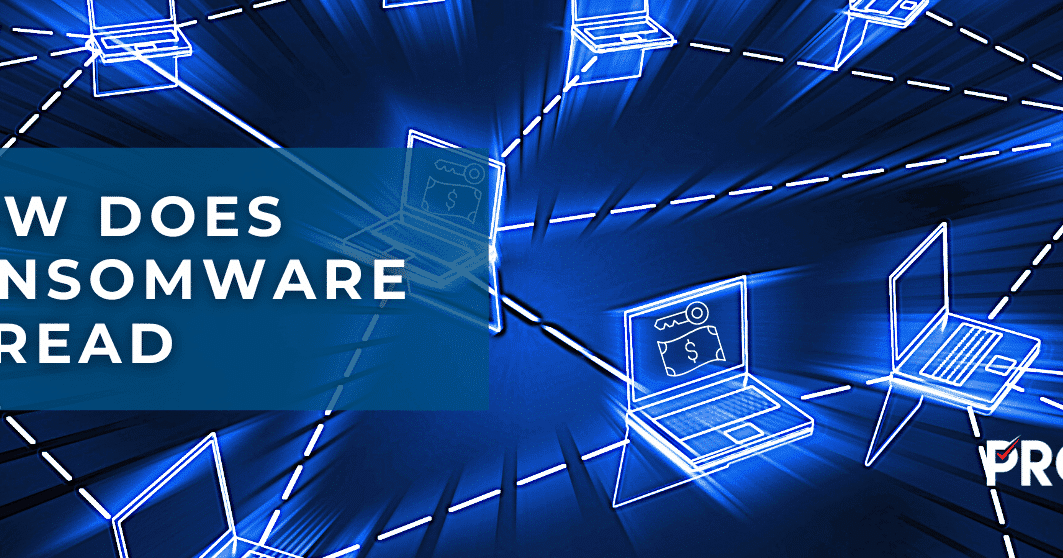
Ransomware can damage your business reputation and cause devastating losses. Knowing how ransomware spreads on a company network and how it can enter your network can help prevent these attacks.
Ransomware is a type of malware that encrypts the data and demands a ransom in exchange for the decryption key. Some new ransomware gangs use the double extortion tactic demanding payment to not leak the victim’s data into their Tor website. Using cybersecurity solutions is the best way to prevent ransomware. Besides that, you must keep updated backups, including at least one offline, so you can have your data back fast in case of an incident.
Identifying How Ransomware Spreads is essential for prevention, as it informs security policy and network segmentation. However, when an attack is successful, the subsequent steps are critical for business continuity. The entire response process is measured by how long it takes to recover from ransomware, a duration that is heavily influenced by preparedness and the speed of the initial response.
Here is a list of 5 ways ransomware spreads on a network:
1. Phishing emails
This is the most common type of cyber attack. Phishing emails are also the primary way of distribution for ransomware.
In simple words, phishing is a message hackers send that seems like a legit communication from businesses and organizations. They induce users to click the malicious website or download attachments that contain the ransomware.
2. Malvertising
Malicious ads, also known as malvertising, are dangerous as hackers buy real advertising spaces online and connect them to an exploit kit.
As soon as you click the ad, the exploit kit scans your computer for vulnerabilities. If it finds any vulnerability, it downloads the ransomware and spreads it across the network laterally.
3. Privilege escalation
As soon as the ransomware gains access to a computer within the network, its developers can explore privileged information by entering other computers and accounts.
After that, they will exfiltrate the data and create backdoors, which are ways for new attacks.
4. Lateral movement
Lateral movement is the tactic hackers use to move from their entry point, the compromised computer, to other devices within the network. They start to look for sensitive data and other high-value assets they exfiltrate.
This is how these hackers threaten enterprises to leak stolen data if they do not pay the ransom.
5. Malicious links
Phishing emails are not the only way users can click on malicious links. Text messages and social media can also have malicious links. They will convince people to click them and then the exploit kit will infect the computer and spread through the network.
How ransomware spreads across the Internet
Ransomware is a common type of malware that usually targets enterprises and organizations. Now that you know how ransomware spreads on a network, you must also know how it attacks to secure endpoints and the network itself.
1. RDP
Remote Desktop Protocol (RDP) is a useful tool that allows remote access to a computer. Independent Computing Architecture (ICA), and Virtual Network Computing (VNC) are also protocols for remote access, but not as common as RDP.
A vulnerable RDP can be an entry point for ransomware.
2. Pirated software
In addition to violating property and intellectual rights, pirated software and cracks can contain malicious files that will infect your computer with ransomware.
Also, pirated software doesn’t have updates with security patches that can prevent zero-day attacks.
3. Drive-by-download
This type of attack is scary as it passes unnoted. This means that the ransomware will enter the computer and have access to the business network without the knowledge. It can explore the data for days, collecting all the information they want before encrypting it and then threatening to leak every sensitive and personal information the hacker found.
4. Zero-day vulnerabilities
Sometimes software has vulnerabilities, known as zero-day vulnerabilities. As soon as developers note these possible entry points, they work to close them, and then they launch software updates.
That’s why keeping every software updated is so important for your data safety.
Hackers explore those vulnerabilities and can even succeed in using them to infect entire networks. And they don’t need to get creative to trick employees into clicking links or email attachments.
5. MSPs and RMMs
A Managed Service Provider (MSP) is a third-party company that remotely manages a customer’s information technology (IT) infrastructure and end-user systems. Remote Monitoring and Management (RMM) software is a type of software designed to help managed IT service providers remotely monitor client endpoints, networks, and computers.
Unfortunately, hackers often target companies by exploiting vulnerabilities in their RMM software. This can lead to cybercriminals distributing ransomware to the MSP customer base, which increases the pressure for the ransom payment.
How can Proven Data help your business
Ransomware can close your business’ doors, make you lose clients, and lead to downtime. Proven Data can help protect your business network by providing cybersecurity services.
If you are a ransomware victim looking for a solution, our expert team can also help with ransomware removal and recovery service. Contact us 24/7 for emergency data recovery service.